May 22, 2026

Back to articles
Senior Pet
Is Your Pet Hurting?
Dogs and cats are wired to mask pain and discomfort. It is an instinct that served their wild ancestors well - showing weakness was not safe. For our much-loved pets at home in Brighton, this same instinct means they often suffer in silence. The signs they show us are subtle, and it is easy to miss them or attribute them to ageing.
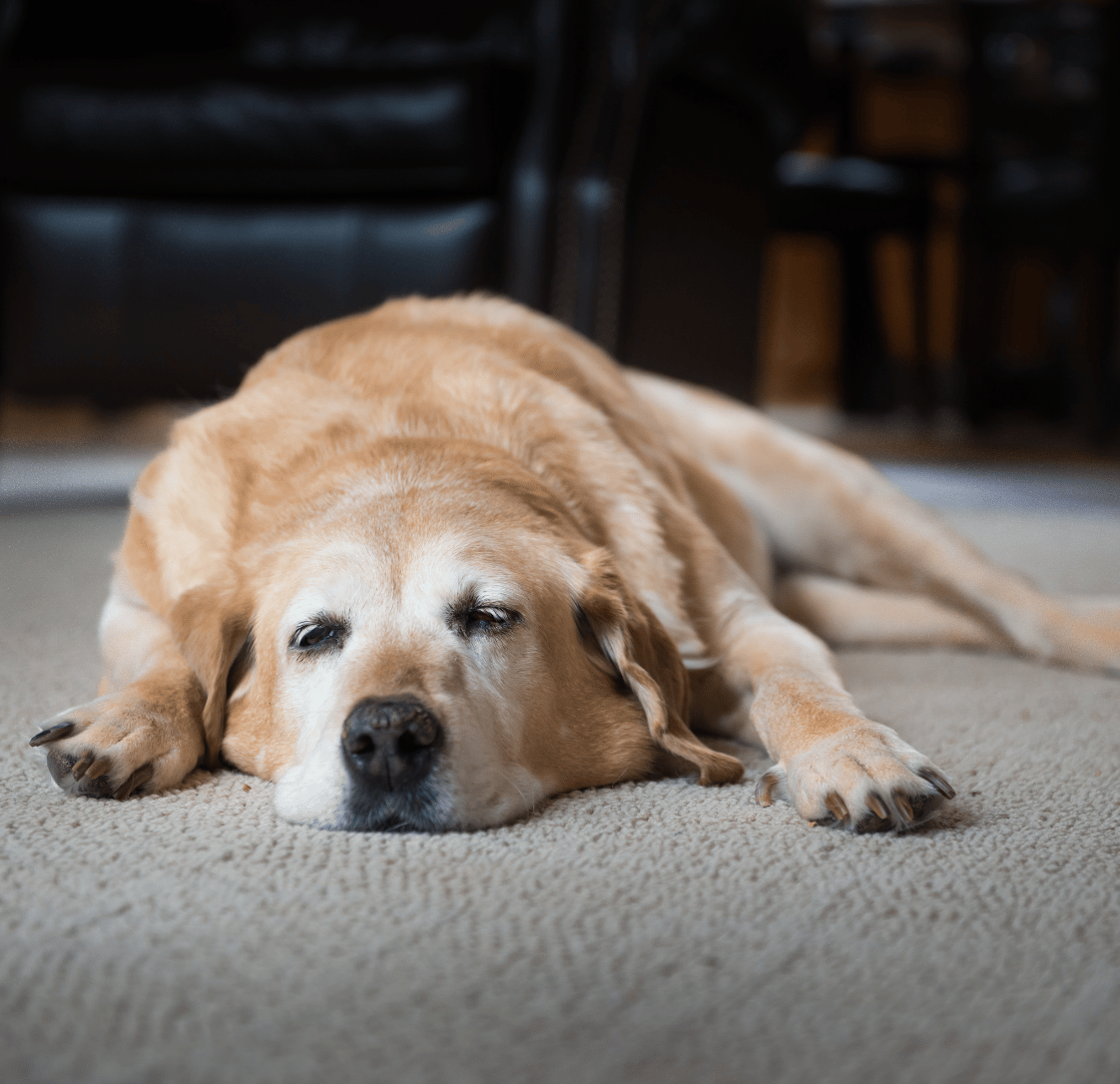
In dogs, signs that may indicate pain include: reduced willingness to exercise or play, stiffness after rest or sleep, reluctance to go up or down stairs, changes in posture, increased licking or chewing at a specific area, flattened ears, guarding a body part, changes in appetite, and irritability or aggression when touched in a specific spot.
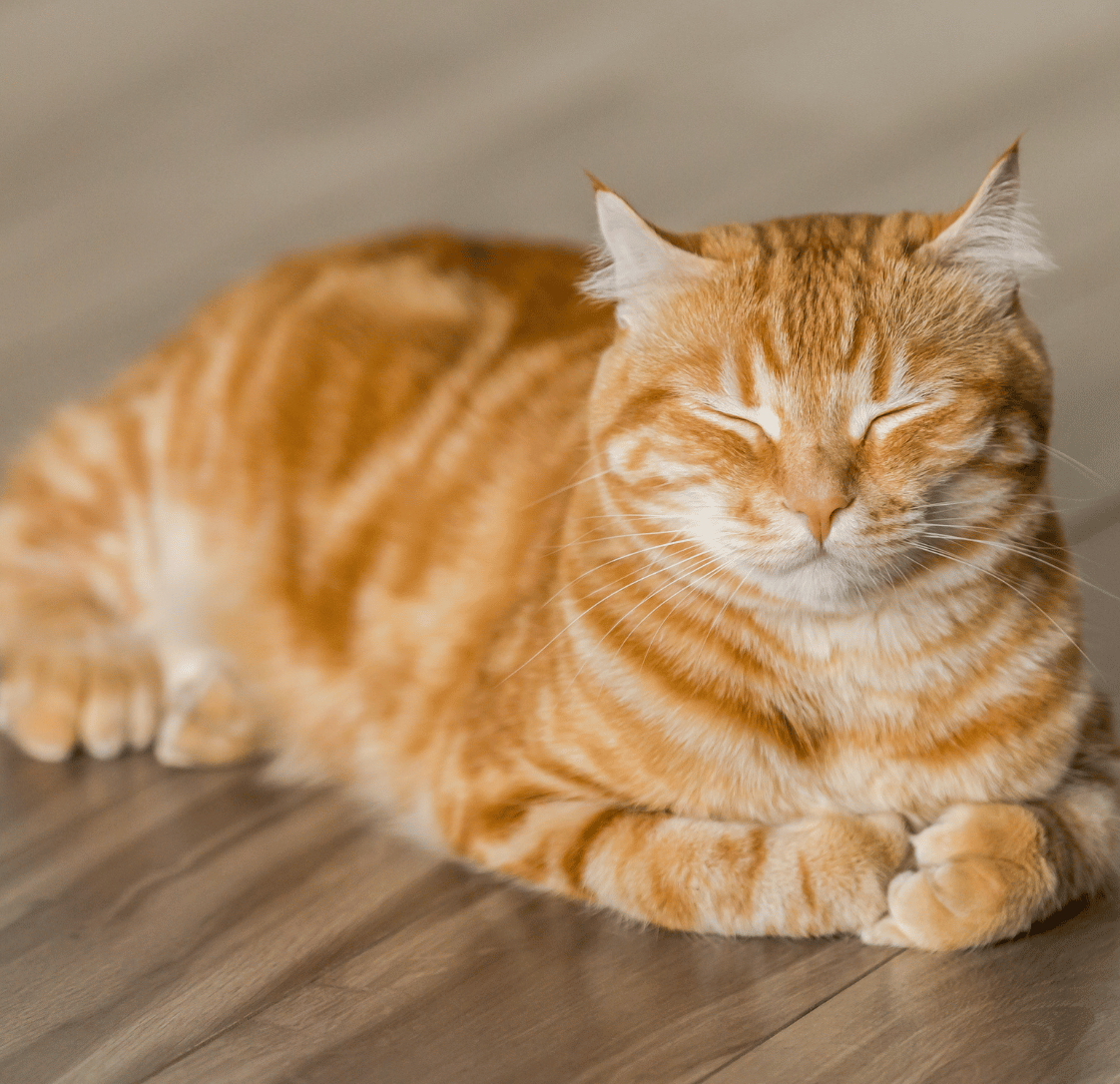
In cats, pain signs are even more subtle: reduced grooming, over-grooming or pulling at fur, changes in litter box habits (painful to squat or jump), hiding more than usual, reduced jumping, sleeping in different locations (lower or more accessible), changes in facial expression (a tense or squinting look), and reduced purring.
The behaviour changes are often gradual, which makes them easy to miss. Many owners only realise how uncomfortable their pet was after treatment begins and their pet's energy and engagement returns to what it was years before.
If something seems different about your pet - even something you cannot quite put your finger on - it is worth a veterinary assessment. We will do a thorough physical examination, assess for pain responses, and discuss whether further investigation or treatment is indicated.
Call us on (03) 9592 9811 or book online at middlebrightonvet.com.au/book-online.