May 22, 2026

Back to articles
.png)
Seasonal
Keeping Cats Safe in the Melbourne Heat
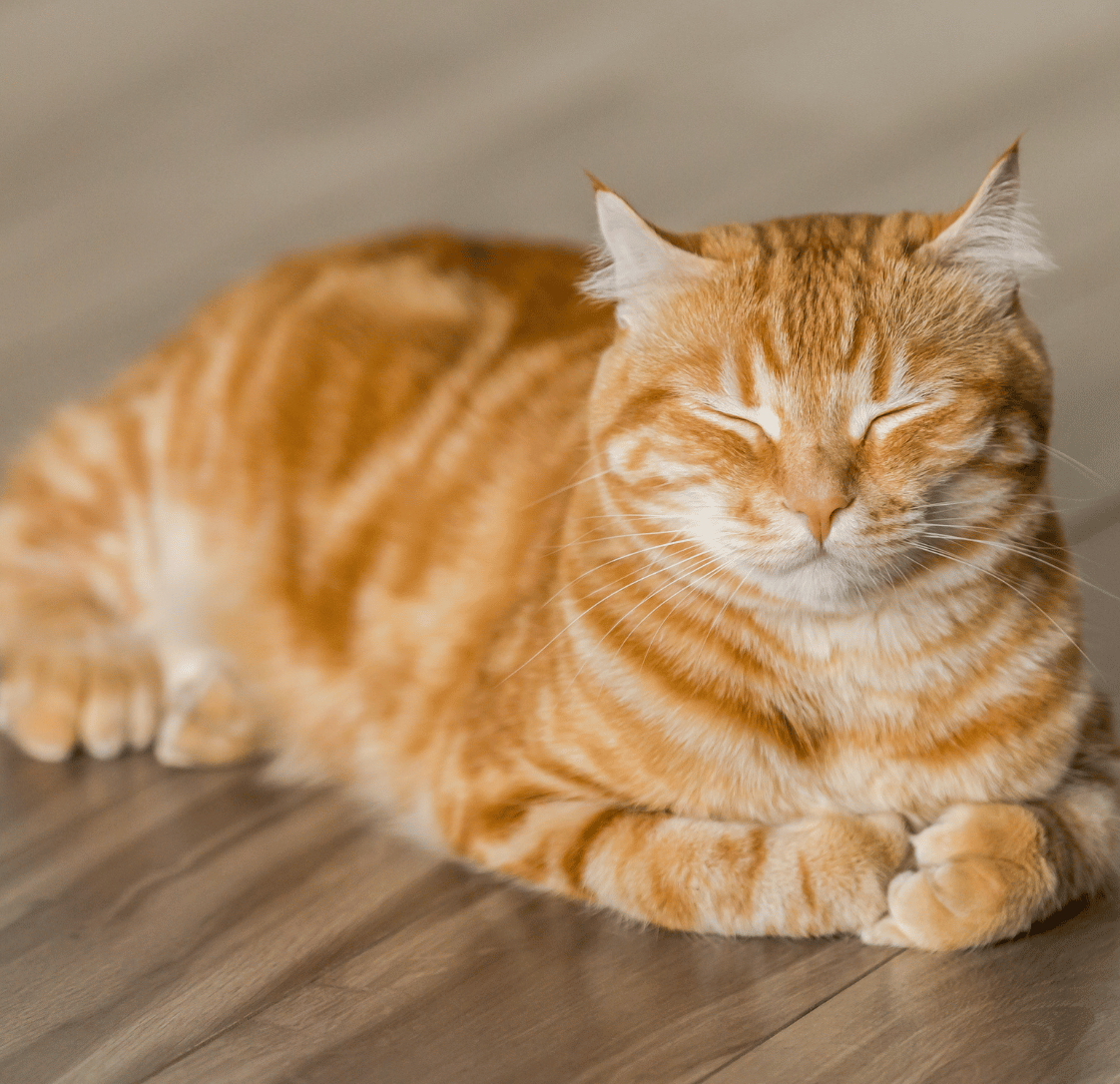
Cats are experts at hiding discomfort, which means heat stress can often go unnoticed. Even indoor cats in Brighton and Bayside homes can struggle during Melbourne's warmer days, particularly if airflow is limited or sun exposure heats indoor spaces. At Middle Brighton Vet, we regularly support local cat owners through the summer months with guidance on keeping cats comfortable and safe.
Signs of heat stress in cats include excessive grooming, seeking cool surfaces, panting, drooling, and lethargy. In severe cases, cats may vomit, have difficulty breathing, or collapse. This is a veterinary emergency. If you suspect your cat is overheating, move them to a cool area immediately and contact us.
To keep your cat safe in the heat: ensure fresh cool water is always available and refresh it regularly, provide shaded and cool resting spots, avoid leaving cats in rooms that heat up with sun exposure, and never leave a cat in a car. For cats who spend time outdoors, limit access during the hottest part of the day - typically between 11am and 3pm.
Elderly cats, overweight cats, flat-faced breeds (Persians, British Shorthairs) and cats with heart or respiratory conditions are at higher risk and need extra monitoring during hot weather.
Call us on (03) 9592 9811 or book online at middlebrightonvet.com.au/book-online if you have concerns about your cat during summer.